If you play contact sport or simply want to protect your smile from everyday wear and tear, a mouthguard can make all the difference in the world. But not all mouthguards are created equal. One of the most common questions we hear in our clinic is: how should a mouthguard fit to actually do its job properly?
The short answer? It should feel secure, comfortable, and almost unnoticeable once it’s in place. In this guide, we’ll walk you through what a good fit looks like, what to avoid, and why professional fitting is worth considering.
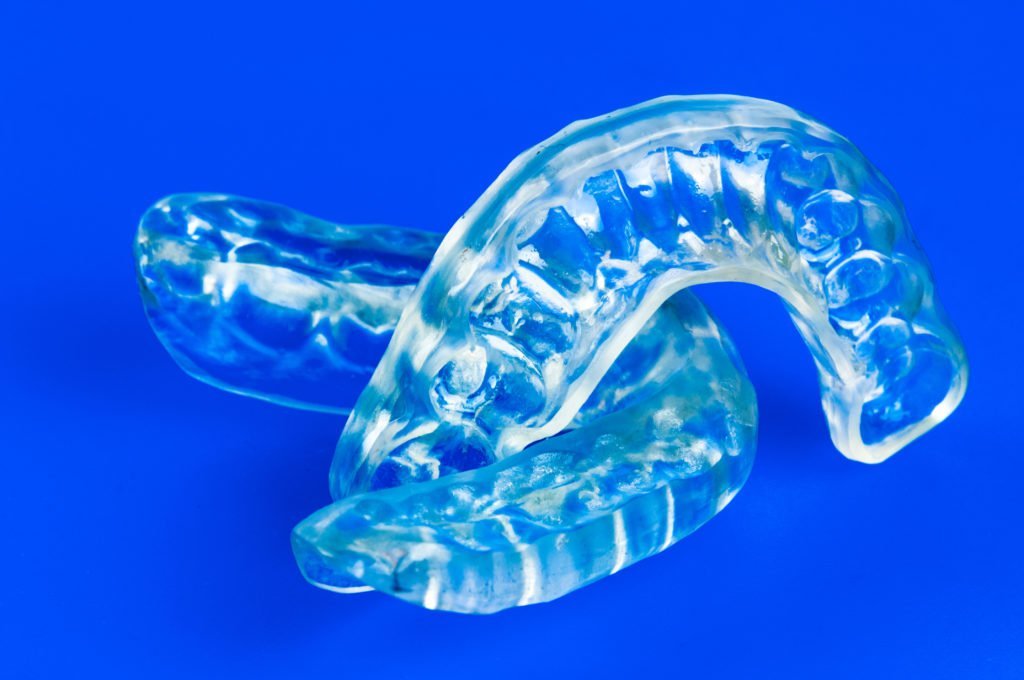
Why the Fit of Your Mouthguard Matters
A mouthguard isn’t just a piece of plastic you pop in before a game; its job is to absorb impact, cushion your teeth, and protect your jaw and soft tissues. If it doesn’t fit properly, it simply can’t do that job effectively. A poorly fitting mouthguard tends to:
- Shift or fall out during activity
- Rub against your gums or cheeks
- Make breathing and talking difficult
- Provide limited protection in a collision
When people ask us how a mouthguard should ideally fit, what they’re really asking is how to stay protected without feeling uncomfortable… the two go hand in hand.
What a Properly Fitted Mouthguard Looks Like
A well-fitted mouthguard should tick several important boxes:
- It Fits Snugly Over Your Teeth: Your mouthguard should sit firmly over your teeth without needing to be bitten into place. If you open your mouth, it shouldn’t fall out.
- It Feels Comfortable: There shouldn’t be sharp edges, pressure points, or sore spots. A good fit feels smooth and balanced across your bite.
- You Can Breathe and Talk Easily: You should be able to breathe normally and speak clearly while wearing it. If you’re gasping for air or struggling to communicate, the fit isn’t right.
- It Covers the Right Areas: Most mouthguards are designed to protect your upper teeth. A proper fit covers them fully, including the back molars, without digging into your gums.
- It Doesn’t Move Around: If your mouthguard slides, twists, or shifts during activity, it won’t provide reliable protection.
This is what we mean when we talk about how a mouthguard should fit in real-life terms – secure, comfortable, and practical.
Here are Some Common Signs Your Mouthguard Doesn’t Fit Properly
Not sure if yours is doing the job? Here are a few red flags to watch for:
- You constantly need to adjust it
- It feels bulky or awkward
- It causes jaw fatigue
- You gag while wearing it
- It falls out when you talk or run
If any of these sound familiar, it’s worth reassessing whether your current mouthguard is right for you.
Store-Bought vs Custom Mouthguards: What’s the Difference?
Boil-and-Bite Mouthguards
These are popular because they’re affordable and easy to buy. You soften them in hot water and mould them at home. While they’re better than nothing, they often lose their shape over time, provide inconsistent fit, feel bulky or offer limited protection. Many people using these still ask, “how should a mouthguard fit?” because they never quite feel right.
Custom Dental Mouthguards
Custom mouthguards are made from an impression of your teeth and crafted specifically for your mouth. They offer a much more precise fit, better comfort, improved durability, higher impact protection, and easier breathing/speaking. For regular sports players, growing teens, or anyone serious about oral protection, custom options are usually the gold standard.
How Should a Mouthguard Fit for Different Activities?
- For Contact Sports: If you play football, hockey, boxing or basketball, your mouthguard needs maximum stability and shock absorption. It should feel locked in place, even during heavy movement.
- For Non-Contact Sports: Cycling, skateboarding, and gymnastics still carry impact risks. A lighter, well-fitted mouthguard can provide protection without feeling intrusive.
- For Night Grinding (Bruxism): Night guards are designed differently, but fit is just as important. They should sit comfortably overnight without causing jaw tension or slipping.
No matter what the activity is, the answer to how a mouthguard should fit remains the same: secure, comfortable, and tailored to your bite.
How Often Should a Mouthguard Be Replaced?
Even a well-fitted mouthguard doesn’t last forever. You should consider replacing yours if:
- It shows cracks or thinning
- It becomes loose
- It feels uncomfortable
- Your teeth shift
- You’ve had recent dental work
Children and teenagers often need replacements more frequently as their mouths grow and change.
Looking After Your Mouthguard
A good fit lasts longer when it’s properly maintained. Be sure to rinse it after each use, brush it gently with a soft toothbrush, store it in a ventilated case and avoid exposing it to heat too much. Also, bring it along with you to dental check-ups so that we can have a look at it! We can advise on its condition. Simple care helps preserve both comfort and protection.
Why Professional Fitting Makes a Difference
At Clover Dental, we see first-hand how much difference a professionally fitted mouthguard can make; especially for active families, junior athletes, and adults who play competitive sport. When we create a custom mouthguard, we:
- Take precise impressions of your teeth
- Assess your bite and jaw alignment
- Design the guard for your specific activity
- Ensure comfort and long-term durability
Protecting your smile for the long term
Your teeth are meant to last a lifetime, and a well-fitted mouthguard is one of the simplest ways to protect them from preventable injury. Whether you’re playing weekend sport, competing seriously, or anything in between, having the right fit matters more than most people realise.
If you’re unsure about your current mouthguard or you’d like to explore a custom option, our friendly team is always happy to help. We’ll make sure your mouthguard fits comfortably, performs properly, and gives you confidence every time you wear it.