Some people brush twice a day, floss with admirable consistency, skip the obvious sugar traps… and still end up hearing the word “cavity” at their dental check-up. Others seem to get away with a far more relaxed approach.
Annoying? Yes. Unusual? Not really.
Tooth decay is not always as simple as “too much sugar” or “not brushing properly”. Cavities form through a mix of bacteria, diet, saliva, enamel strength, tooth shape, oral hygiene, medical factors and timing. Two people can follow very similar routines and still have very different dental outcomes.
So, why do some people get cavities more easily? Let’s talk through the main reasons.
What actually causes a cavity?
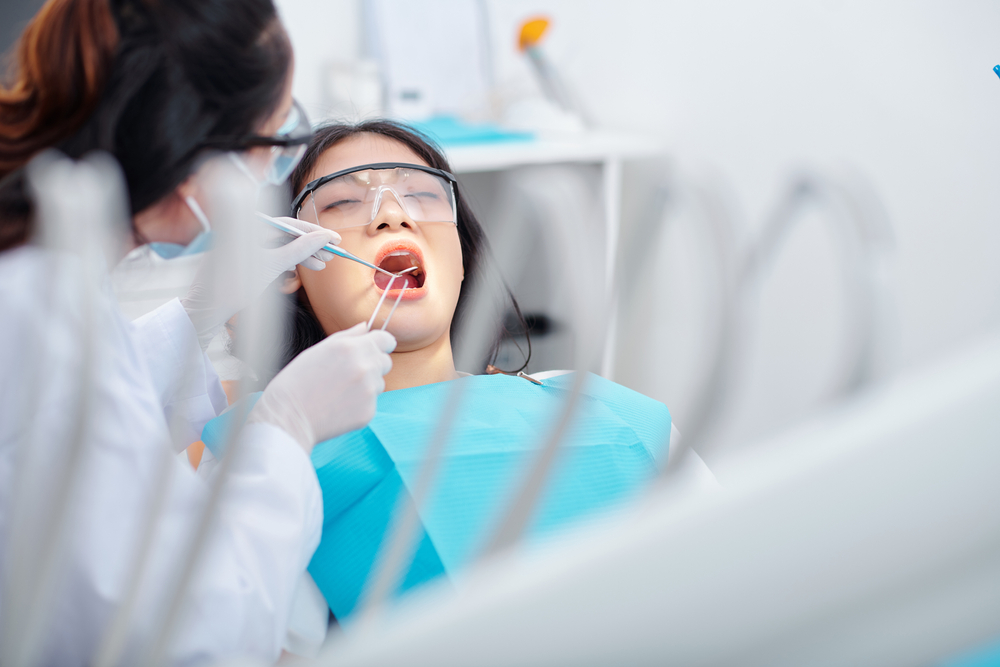
A cavity is an area of permanent damage in a tooth caused by decay. It usually starts with plaque, the soft, sticky film of bacteria that builds up on your teeth every day.
When plaque bacteria feed on sugars and carbohydrates from food and drinks, they produce acids. These acids weaken the enamel, which is the hard outer layer of the tooth. Early enamel damage may be reversible with fluoride, improved cleaning and professional care… but once the enamel breaks down and a hole forms, the tooth cannot repair that missing structure on its own.
That’s when a filling or another restorative treatment may be needed.
Some people have more cavity-causing bacteria
Everyone has bacteria in their mouth; that part is completely normal. The difference is that not everyone has the same mix. Some people naturally have higher levels of bacteria that produce acid more aggressively, and this can make their mouth more prone to decay, even when their routine looks fairly solid on paper.
This is one reason why some people get cavities despite feeling like they’re doing most things right. It doesn’t mean they’re careless; it usually just means their mouth needs a more tailored prevention plan.
Sugar matters, but timing matters too
Sugar plays a major role in tooth decay, but how often your teeth are exposed to sugar and carbohydrates matters just as much. Every time you snack, sip a sweet drink or graze on starchy foods, plaque bacteria produce acid. Your saliva then needs time to neutralise that acid and help your enamel recover.
So, someone who has dessert once after dinner may be doing less damage than someone who slowly sips soft drink, juice, sports drinks or sweetened coffee over several hours. The total sugar matters, of course, but the drip-feed effect can be especially hard on teeth.
Some teeth are simply harder to clean
Back teeth often have deep grooves and fissures. These little grooves are useful for chewing, but they can also trap plaque and food particles. Some people naturally have deeper pits and grooves than others, and even with decent brushing, those areas can be difficult to clean properly (this is especially common in children and teenagers as their adult molars come through).
In suitable cases, fissure sealants can help protect these grooves by creating a smoother surface that’s easier to keep clean. At Clover Dental, fissure sealants are commonly provided for children where appropriate, and they may be covered under the Medicare Child Dental Benefits Schedule for eligible families.
Saliva does more than you might think
Saliva is one of your mouth’s best natural defences. It helps wash away food particles, neutralise acids and support enamel repair. When saliva flow is reduced, cavity risk can increase quickly. Dry mouth may be linked to medications, dehydration, stress, mouth breathing, smoking, vaping, some medical conditions and certain cancer treatments.
This is a common reason why some people get cavities later in life, even if they rarely had dental problems when they were younger. A new medication or change in general health can shift the whole environment inside the mouth.
Enamel strength varies
Enamel is strong, but it’s not the same for everyone. Some people naturally have thinner or weaker enamel; others may have enamel wear from reflux, acidic drinks, grinding, past trauma or developmental factors. Once enamel is weakened, acids can damage it more easily (hence why sensitivity, visible wear or frequent chipping shouldn’t be ignored – these can be signs that your teeth need a little more protection).
Brushing often isn’t always the same as brushing well
Plenty of people brush every day and still miss the same areas repeatedly. Common trouble spots include between the teeth, along the gumline, behind the lower front teeth and around old fillings or crowns. Brushing harder is not the answer; in fact, aggressive brushing can wear enamel and irritate gums. Good technique, fluoride toothpaste and daily cleaning between the teeth usually matter more than brute force.
This is where a dental check-up can be surprisingly useful. Your dentist or hygienist can often tell exactly where plaque is building up and give advice that actually matches your mouth, rather than another generic “brush and floss” lecture.
Existing dental work still needs care
Fillings, crowns and bridges restore damaged teeth, but they don’t make teeth immune to decay. Plaque can still collect around the edges of older restorations. Over time, tiny gaps or worn margins can allow bacteria to settle in. Regular check-ups help detect these issues early, often before you feel pain or notice anything has changed.
Medical conditions and lifestyle habits can raise the risk
Your oral health is closely connected to the rest of your body. Conditions like diabetes, reflux, dry mouth disorders, eating disorders and some autoimmune conditions can increase cavity risk (pregnancy, stress and long-term medication use may also play a role).
Daily habits can quietly tip the balance too. Sipping lemon water throughout the day, snacking after brushing at night, using sugary lozenges often, or wearing clear aligners without cleaning your teeth first can all create conditions where decay is more likely. This doesn’t mean cavities are your fault; it just means the cause is often more layered than people expect.
Why cavities can happen without pain
A cavity doesn’t always hurt at first. Enamel has no nerves, so early decay can progress silently. Pain often appears once decay reaches deeper layers of the tooth, irritates the nerve, or causes infection. By the time a tooth hurts, treatment may be more involved. A small filling may become a larger filling. A severely weakened tooth may need a crown. If the nerve becomes infected, root canal therapy may be required.
This is why routine dental examinations matter, even when everything feels fine. Your mouth can be quietly getting on with things in the background, not always helpfully.
How to reduce your cavity risk
Even if you are more prone to cavities, you’re not powerless. Small changes can make a meaningful difference. Brush twice daily with fluoride toothpaste, clean between your teeth daily, limit frequent snacking and sipping, drink water after meals, manage dry mouth early, and keep up with regular dental check-ups and cleans.
For some patients, extra support may help. This might include fluoride treatment, fissure sealants, dietary guidance, a custom night guard for grinding, or closer monitoring of older fillings and crowns. The best plan depends on why the cavities are forming in the first place.
Cavities are common, but they’re not random – Clover Dental can help
At Clover Dental, we take a preventative-first approach to tooth decay. That means we don’t simply repair a cavity and move on… we look at why it happened, what may be increasing your risk, and how we can help reduce the chance of it happening again. Depending on your needs, your visit may include a comprehensive dental examination, digital X-rays, professional cleaning, gum health assessment, fluoride support, oral hygiene advice, fissure sealants, or a personalised treatment plan for existing decay.
If treatment is needed, we’ll explain your options clearly. Sometimes a small tooth-coloured filling is enough; in other cases, a tooth might need more advanced restorative care if it has lost significant structure. Our focus is always on preserving healthy tooth structure wherever possible and helping you feel informed before any treatment begins.
If you’re frustrated by recurring cavities, dealing with sensitivity, or simply overdue for a check-up, Clover Dental can help you understand what is happening in your mouth and how to protect your smile long term. Our Brunswick team provides gentle, thorough care with practical advice tailored to you.